
Premium alcohol distinguishes itself through a symphony of flavors and aromas that only meticulous craftsmanship can achieve. Consider the difference between a young whiskey and one aged for 12 years in charred oak barrels. The what is the difference between alcohol abuse and alcoholism latter develops layers of caramel, vanilla, and smoky undertones, while the former often tastes sharp and one-dimensional. This complexity arises from prolonged contact with wood, which imparts tannins and extracts natural sugars, transforming raw spirits into nuanced masterpieces.
Convert proof to alc/vol
Whether an individual is struggling with alcoholism or alcohol abuse, it’s crucial to seek appropriate help and support to overcome these challenges and improve overall well-being. You can determine the differences between alcohol abuse and alcoholism based on the symptoms, extent of use, and the necessary treatment approach. Alcoholism, sometimes referred to as alcohol dependence, is a brain disease characterized by excessive alcohol intake.
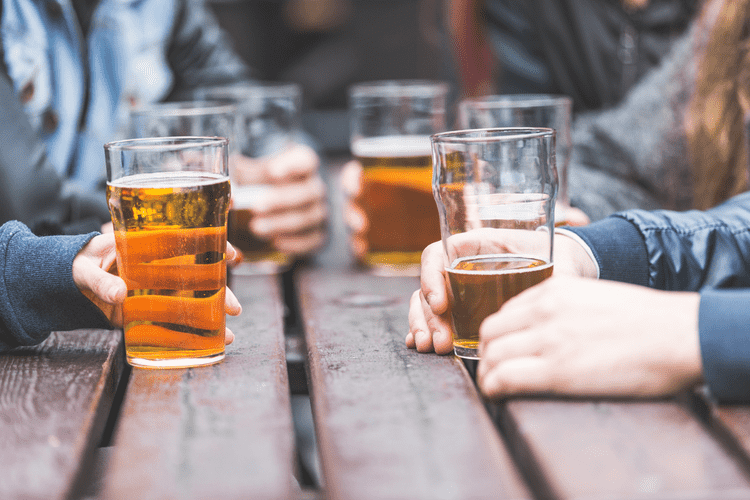
Both alcohol abuse and alcoholism can be successfully treated using a combination of therapies, including medications, behavioral therapy, and support groups. When evaluating treatment centers, look for those that address your specific needs. Consider the facility’s specialization, does it focus on alcohol addiction, or does it address a broader range of issues? Plus, assess factors such as the types of therapies offered, the qualifications of the staff, and the overall environment of the center. A welcoming, supportive atmosphere can make a big difference in your experience. Conversely, Orthodox Jews, who adhere strictly to religious practices, tend to have lower rates of alcohol misuse.
How effective is Cognitive Behavioral Therapy (CBT) in treating alcohol addiction?
For example, a person who is alcohol dependent experiences symptoms of alcohol withdrawal when the effects of alcohol wear off. Identifying these symptoms early and seeking support can help prevent alcohol abuse from progressing to more severe conditions like AUD and can facilitate healthier drinking habits and lifestyle choices. Alcoholism typically involves physical dependence, where the body has adapted to alcohol and experiences withdrawal symptoms when alcohol use is reduced or stopped. Other signs may include drinking in secrecy, irritability when not drinking, and continuing to drink despite negative consequences to health, work, or relationships. It is important to note that alcoholism affects individuals differently, and the presence of these symptoms can vary in intensity.
You deserve high-quality treatment and a fulfilling life in recovery.
If you’re hosting a casual gathering, a $20 rum with balanced flavors and a smooth finish might outperform a $70 option that’s too complex for the occasion. Conversely, for a special celebration, splurging on a $150 cognac with notes of dried fruit and oak could elevate the experience. To navigate this landscape, consider the cost breakdown of alcohol production.
FIND TREATMENT:
Individuals may use alcohol to self-medicate the symptoms of these conditions, creating a dangerous cycle where alcohol consumption worsens the individual’s underlying mental health. Individuals with co-occurring conditions require an integrated treatment plan that addresses the addiction and the psychiatric disorder simultaneously. Alcoholism, clinically known as alcohol use disorder (AUD), is a chronic disease involving a physical and psychological dependence on alcohol. People with alcoholism have lost control over their drinking and experience a strong compulsion to consume alcohol. This compulsion persists even when they are fully aware of the severe negative consequences it has on their life. In contrast, alcoholism, also known as alcohol use disorder (AUD), is a chronic condition characterized by an inability to control alcohol addiction.
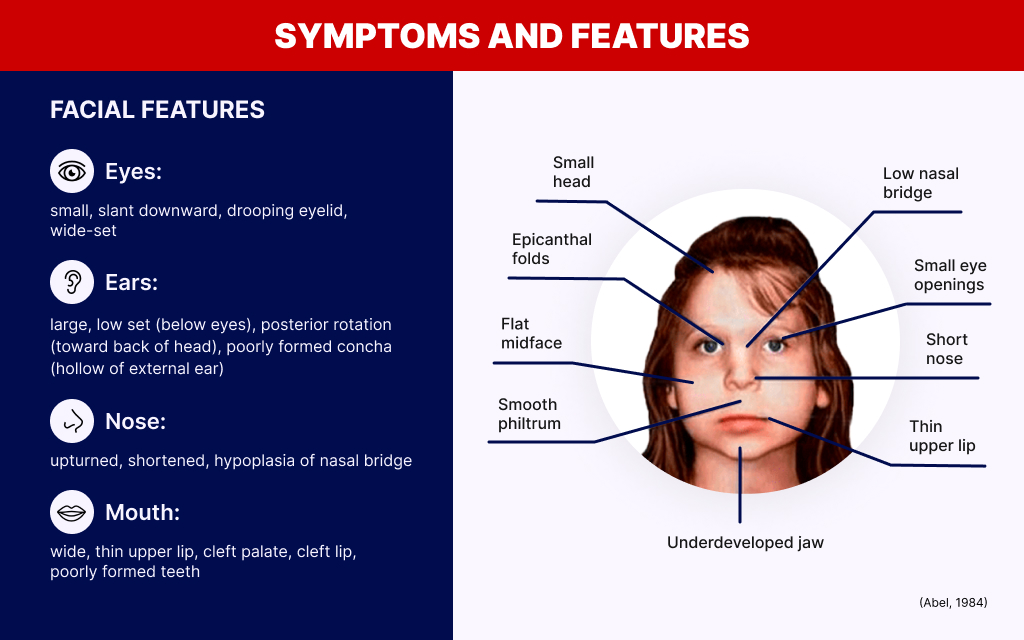
The long-term impact of alcoholism can be more devastating, with potential for irreversible damage to one’s health, personal relationships, and social standing. Alcoholism, or alcohol use disorder, can lead to significant changes in various laboratory test results due to its detrimental effects on multiple drug addiction organ systems. Elevated levels of certain biomarkers are commonly observed in individuals with chronic alcohol consumption, serving as indicators of liver damage, inflammation, and nutritional deficiencies.
Alcoholism imposes a staggering economic burden on societies, with healthcare costs and lost productivity at the forefront of its impact. Estimates suggest that alcohol-related health expenditures account for 10-20% of total healthcare costs in many countries, driven by chronic conditions like liver disease, cardiovascular disorders, and cancer. For instance, in the United States, alcohol-related liver disease alone results in over 1 million hospital admissions annually, with an average cost of $30,000 per patient.
- For instance, a person might commit to drinking only on weekends or limiting themselves to a specific number of drinks per occasion.
- Information provided by NIDA is not a substitute for professional medical care or legal consultation.
Effects of Alcohol Abuse and Alcoholism
You might experience withdrawal symptoms regardless of your addiction severity. Alcohol abusers sometimes benefit from less-intensive treatments such as behavioral therapy and counseling. Those who abuse alcohol frequently have a greater risk of increased tolerance and addiction. For example, an alcohol abuser might experience a hangover after a night of drinking. Severe symptoms of alcoholism such as seizures and delirium tremens (DTs) can cause death. Call 911 immediately if you or someone http://demo.cyberframe.in/swati-ind/how-to-control-high-triglycerides-vital-health/ you know experiences severe symptoms.
If you or someone you care about is struggling with mental health problems, request a call to speak with a knowledgeable treatment specialist. In some cases, drinking alcohol leads to legal trouble, such as driving offences or public disturbances. These consequences can build up and create long-term difficulties that are harder to reverse without support.
What Is Moderate vs. Excessive Alcohol Consumption?
Either way, alcohol increases the risk of depression, and waking up with a hangover can make you feel sick, anxious, and guilty. Aside from the immediate effects of the alcohol, a person with AUD generally already has, or created problems for themselves at home, work, or in relationships. These failures and frustrations can cause them to turn to drinking to forget the negative feelings, which can quickly spiral into alcohol induced depression.
